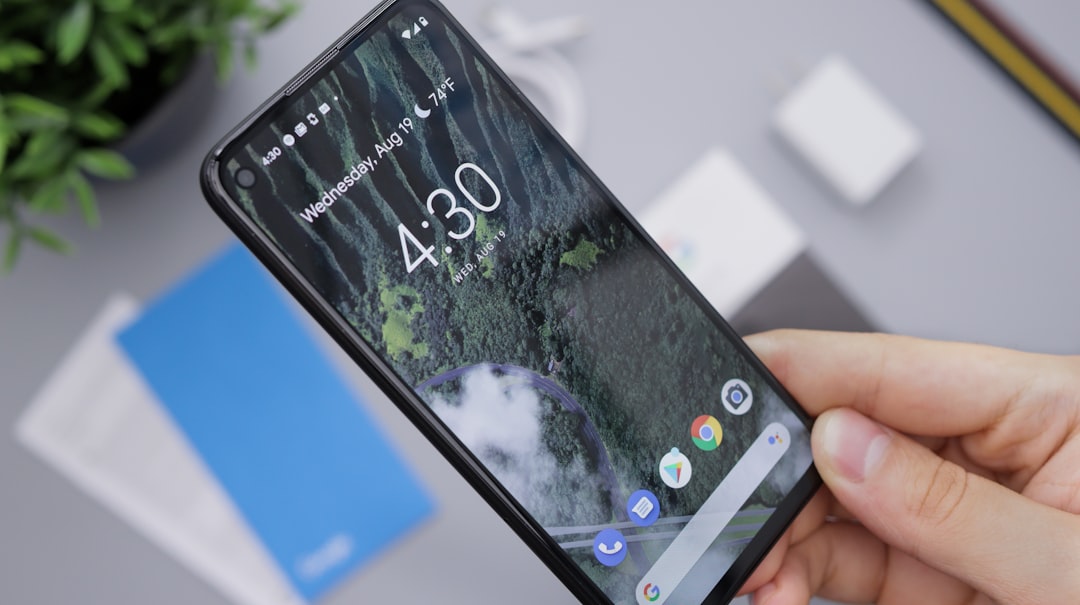
Phishing via text message is a growing threat in Oregon, with 72% of Q3 2022 attacks targeting mobile devices. A lawyer for Spam Text Oregon highlights red flags like urgent requests, unexpected links, and inconsistencies in sender details. To protect yourself: verify sender identity, strengthen device security, educate yourself about phishing tactics, and report suspicious texts. Consulting a specialized Oregon lawyer can help understand rights and defend against scams. Staying vigilant and using legal expertise strengthens defenses against sophisticated text-based phishing attempts.
Text messages have become a common channel for cybercriminals to launch phishing scams, targeting individuals with malicious links and requests for personal information. As we navigate an increasingly digital world, it’s crucial to be equipped with strategies to protect ourselves from these deceptive tactics. In this authoritative guide, we’ll delve into Albany’s top tips for avoiding phishing scams via text messages, empowering you to spot suspicious activity and safeguard your sensitive data. Drawing from the expertise of industry professionals, including lawyers specializing in spam text Oregon, this article offers practical advice tailored to modern challenges.
Understanding Phishing Text Messages: Common Red Flags

Phishing via text message, a malicious practice on the rise, has become a significant concern for individuals and businesses alike. With sophisticated attackers employing increasingly clever tactics, it’s crucial to recognize the telltale signs these messages may contain harmful intent. A lawyer for Spam Text Oregon highlights several common red flags that can help you identify phishing attempts through SMS. One of the most obvious indicators is an urgent or fear-inducing request for personal information. Scammers often mimic legitimate organizations, claiming your account has been compromised and demanding immediate action to verify your details. For instance, a text purporting to be from your bank asking you to “confirm your login credentials” could be a phishing attempt.
Another flag is unexpected messages containing links or requests for downloads. Legitimate businesses rarely initiate contact via text to request such actions. If a message includes a link that seems unrelated to the stated purpose or prompts you to download an app without clear context, exercise caution. Scammers may use these tactics to install malware on your device. According to a recent study, 72% of phishing attacks in Q3 2022 utilized mobile devices as entry points, underscoring the evolving nature of this threat.
Additionally, be wary of inconsistencies in sender information or unexpected number listings. Scammers often spoof legitimate phone numbers, making it seem like messages originate from a trusted source. However, close inspection may reveal slight variations or unfamiliar formatting. A lawyer specializing in Oregon spam text cases emphasizes that “even minor discrepancies can indicate malicious intent.” For example, a message claiming to be from your utility company but sent from an unknown number should raise concerns. By staying vigilant and critically analyzing these text-based interactions, individuals can significantly reduce the risk of falling victim to phishing scams.
Protecting Your Personal Information: Best Practices

Phishing scams via text messages have become increasingly sophisticated, targeting not just email users but also mobile phone subscribers. As these attacks evolve, so must our defenses. Protecting your personal information is paramount in this digital age. Here are best practices to safeguard yourself from text message phishing attempts, informed by insights from legal experts specializing in Oregon’s anti-spam laws.
First and foremost, verify the sender. Phishing texts often disguise themselves as alerts from familiar sources like banks or government agencies. Always check the phone number and compare it with official contact information. Most legitimate organizations will not send sensitive information via text message without explicit consent. If you receive a suspicious message, do not reply or click any links; instead, reach out directly to the organization through their official website or customer service line.
Implement robust security measures on your device. Use strong, unique passwords for all accounts and enable two-factor authentication (2FA) wherever possible. This adds an extra layer of protection, ensuring that even if a hacker gains access to your password, they still need the second factor to compromise your account. Keeping your software updated is also crucial; updates often include security patches that fix known vulnerabilities exploited in phishing attacks.
Another effective strategy involves educating yourself and your family members about phishing tactics. Stay alert for urgent requests for personal information or links to verify accounts. Scammers often create a sense of panic, urging recipients to act quickly without thoughtful consideration. Take a step back, evaluate the message calmly, and confirm with the sender through alternative means if there’s any doubt. Remember, legitimate organizations will not pressure you into revealing sensitive data via text message.
Seek professional advice from an Oregon lawyer specializing in spam text lawsuits if you suspect or have fallen victim to a phishing scam. Legal counsel can guide you on your rights, potential remedies, and how to protect yourself moving forward. By staying informed and implementing these best practices, individuals can significantly reduce their risk of falling prey to text message phishing scams.
When to Suspect a Spam Text: Oregon Lawyer's Guide

In today’s digital age, phishing scams have evolved to include text messages, making it crucial for Oregonians to be vigilant. As a lawyer specializing in spam text Oregon cases, I’ve witnessed the increasing sophistication of these attacks. Scammers often masquerade as legitimate organizations, sending urgent messages that prompt immediate action. Recognizing these ploys is essential to protecting yourself from financial loss and identity theft.
One of the first signs of a potential phishing scam via text is the sense of urgency it creates. Scammers frequently demand immediate responses or threaten dire consequences if you don’t act fast. For instance, a message claiming to be from your bank might state, “Your account has been compromised! Respond within 24 hours to avoid temporary suspension.” Legitimate financial institutions rarely employ such tactics; always verify the sender’s identity through official channels. Another red flag is poor grammar and spelling errors, common in automated spam texts. While not foolproof, these mistakes can indicate an unauthentic message.
To stay safe, Oregonians should adopt a cautious approach when receiving text messages from unknown numbers or those claiming to be official communications. Never click on links or provide personal information without verifying the sender’s identity. A lawyer for spam text Oregon cases often advises clients to independently contact the organization using verified contact details from their official website. Additionally, keeping your device’s security software up-to-date can help detect and block suspicious messages. By staying informed and practicing caution, individuals can significantly reduce their risk of falling victim to these deceptive scams.
Reporting Phishing Attempts: Effective Strategies
When facing phishing attempts via text messages, reporting them effectively is a crucial step to protect yourself and your personal information. As a proactive measure, Albany recommends utilizing your phone’s block feature for initial defense against suspicious messages. However, going beyond blocking involves documenting and reporting these incidents to relevant authorities. This practice not only safeguards your digital security but also contributes to broader cybersecurity efforts.
Reporting phishing attempts can take several forms. One practical strategy is to forward the text message to a dedicated reporting number provided by your mobile carrier. These carriers often have mechanisms in place for identifying and mitigating spam texts, ensuring that malicious messages are traced and stopped from reaching other users. Additionally, reporting through specialized online platforms or apps designed to combat cybercrime can significantly aid law enforcement agencies and cybersecurity organizations.
For instance, the Federal Trade Commission (FTC) offers a convenient way to report phishing texts in the United States. By replying “SPAM” to certain text messages, you initiate a process that provides valuable data for analysis. This information is then utilized by legal professionals specializing in spam text cases, such as those based in Oregon, who can take further action. These lawyers play a vital role in prosecuting spammers and establishing precedents to deter future cybercriminals. Data from reported incidents helps in identifying patterns and trends, enabling more effective legal strategies against phishing rings.
Remember, each reported attempt contributes to a larger network of defense against sophisticated cyber threats. By adopting these reporting strategies, individuals can become powerful allies in the ongoing battle against phishing scams, ensuring that their actions help create a safer digital environment for everyone.
Staying Ahead: Advanced Tips from Legal Experts

Staying ahead of phishing scams is a constant battle, especially with the evolving tactics employed by cybercriminals. In Oregon, where legal expertise meets cutting-edge cybersecurity, professionals offer valuable insights to fortify defenses against these insidious threats. Lawyers specializing in digital security play a pivotal role in educating users and businesses alike on recognizing and mitigating risks associated with text-based phishing, a growing concern in the digital landscape.
One advanced tip from Oregon’s legal experts is to scrutinize the sender’s identity. Phishers often impersonate trusted entities, so verify the phone number and official channels of the organization before responding. For instance, if you receive a text claiming to be from your bank requesting account verification, contact the financial institution directly using a known, legitimate communication channel to confirm its authenticity. This simple step can prevent unauthorized access to sensitive information.
Moreover, lawyers emphasize the importance of encryption and secure messaging platforms. Encouraging the use of end-to-end encrypted messaging apps for personal communications and business transactions adds an extra layer of protection. When sharing confidential data via text, ensure the platform offers robust security features, as this significantly reduces the risk of interception by malicious actors. By adopting these advanced strategies, individuals and businesses in Oregon can proactively defend against sophisticated phishing attempts, safeguarding their digital assets and personal information.